The Fascinating World of Mahjong
Mahjong, a game of skill, strategy, and calculation, has captivated millions around the world. Originating in ancient China, Mahjong has evolved over centuries, adapting to different cultures and regions while maintaining its fundamental appeal. Whether played for leisure, competitive purposes, or even gambling, Mahjong is more than just a game; it's a doorway to understanding cultural history and community dynamics.
The Roots of Mahjong
Mahjong's origins are steeped in mystery and legend. Some historians trace its beginnings to the Qing Dynasty, while others believe it was formed as early as 500 BC. Regardless of its exact genesis, Mahjong as we understand it today developed in the late 19th century in China and quickly spread globally.
The Evolution of the Game
As Mahjong made its way to different parts of the world, variations emerged. In Japan, the game developed into its own unique style known as Riichi Mahjong, which incorporates additional rules and scoring elements. Meanwhile, in the West, Mahjong gained popularity during the 1920s through the efforts of entrepreneurs like Joseph P. Babcock, who simplified the rules for Western audiences. This adaptation contributed significantly to the game's rise in popularity, leading to various tournaments and leagues.
Understanding Mahjong Tiles
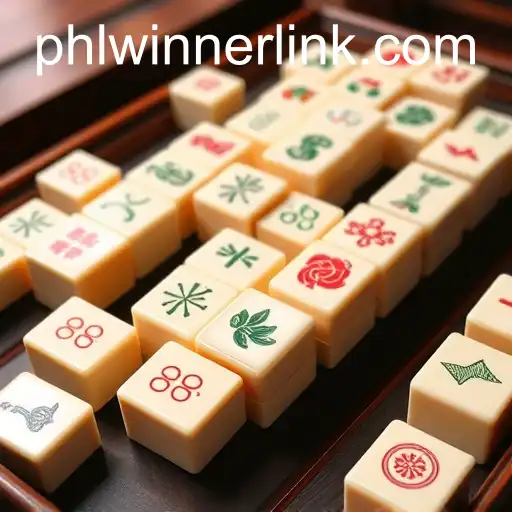
The game of Mahjong is played with a set of 144 tiles, which can vary depending on the regional rules. These tiles are categorized into three suits: Dots, Bamboos, and Characters, each ranging from one to nine. Additional tiles include four Wind tiles, three Dragon tiles, and sometimes, Flower and Season tiles for special scoring opportunities.
The Basics of Mahjong Gameplay
The objective of Mahjong is to build a complete winning hand, typically consisting of 14 tiles. A standard hand includes four sets of three tiles (either a Pung or a Chow) and a pair. The gameplay involves drawing and discarding tiles strategically to form these sets, all while keeping an eye on opponents' moves. The game requires a keen sense of calculation and memory, as players must remember which tiles have been played and anticipate their opponents' strategies.
Mahjong in Contemporary Culture
In modern times, Mahjong has transcended its origins as a traditional parlor game to become a prominent part of many cultural festivities, particularly in Chinese diasporas worldwide. It's often associated with special occasions such as the Lunar New Year or family gatherings, serving as a conduit for social interaction and cultural preservation. The game's influence extends beyond personal gatherings; it has permeated popular culture, featuring in films, television programs, and even online platforms.
The Digital Revolution and Mahjong
The proliferation of the internet and mobile technology brought Mahjong into the digital age. Online platforms like PHLWINNER.COM have made it possible for enthusiasts to play with family, friends, or strangers globally, offering a variety of game versions to cater to different preferences and expertise levels. These digital iterations allow for greater accessibility and have introduced the game to younger generations who might have otherwise overlooked this classic pastime.
Competitive Mahjong
In recent years, Mahjong has gained traction as a competitive sport, with numerous tournaments offering substantial prizes and global recognition. Associations such as the World Mahjong Organization and regional leagues have standardized rules and scoring systems to legitimize competitive play and enhance the game's global appeal. The competitive scene has spawned professional players who dedicate considerable effort to mastering the game and competing at the highest levels against international opponents.
The Educational Benefits of Mahjong
Beyond entertainment value, Mahjong offers several educational benefits. It encourages cognitive skills like memory, attention, and strategy, making it a potentially valuable tool for mental fitness. Educational programs in some regions have even incorporated Mahjong into curricula to foster social interaction and cognitive development among students.
Cultural Representation and Mahjong
Mahjong represents a rich tapestry of cultural history, offering insights into Chinese traditions and values. In xpat communities, Mahjong serves as a cultural touchstone, preserving connections to heritage and bridging generational divides. The game's global spread has necessitated a balance of cultural sensitivity and adaptability, as enthusiasts seek to honor its origins while embracing modern variations.
Conclusion
Ultimately, Mahjong is more than a game—it's a cultural phenomenon that has transcended borders and time. Its enduring popularity across different demographics speaks to its universal appeal and versatility. As the world continues to evolve, albeit digitally or analog, Mahjong remains a testament to the enduring power of traditional games to bring people together, challenge the mind, and celebrate diverse cultures.
To explore more about this captivating world and delve into a game, you can visit platforms such as PHLWINNER.COM where you might find your own Mahjong community.